New Year SPecial Deal: 15% off all our Services

The Future of AI: Exploring Multimodal Input in 2026
MARKETING AUTOMATIONCONTENT MARKETINGRETAIL MANAGEMENTMARKETING OF SERVICESAI CUSTOMER SERVICE
1/18/20261 min read

Introduction to Multimodal Input
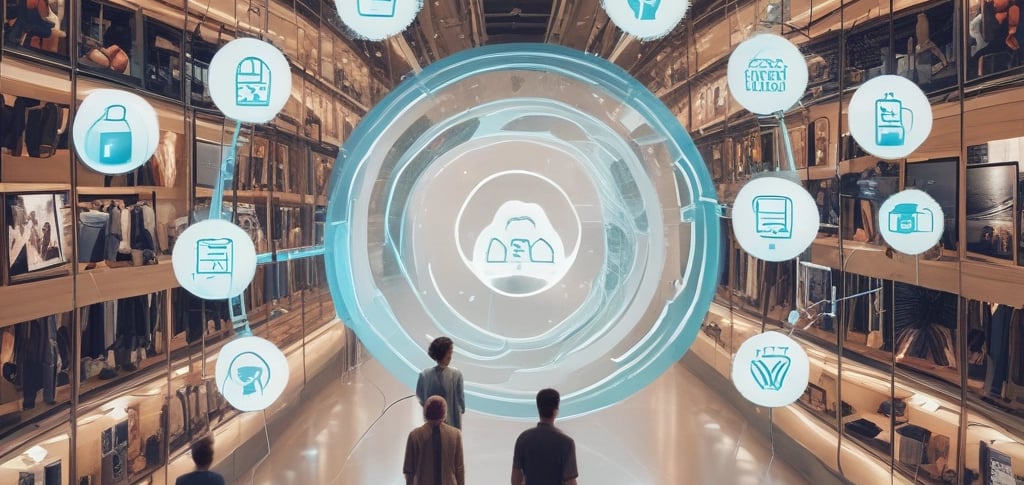
As artificial intelligence continues to evolve, one of the most significant advancements we're witnessing is the emergence of multimodal input. This innovative capability allows AI systems to process and synthesize various types of data simultaneously—text, images, audio, and video. Instead of simply analyzing a text prompt, AI can now perceive the world similarly to how humans do, creating a richer and more nuanced understanding of information.
How Multimodal Input Works in 2026
By 2026, we can anticipate significant developments in how AI integrates multimodal input into its operations. This ability will enable artificial intelligence to "see, hear, and read" all at once. For instance, a student may snap a photo of a complex math equation and receive an instant solution via an AI tool. Here, the AI interprets the visual information from the image, processes the relevant mathematical concepts, and presents the answer, demonstrating the seamless interaction between different types of data.
Key Applications of Multimodal Input
The implications of multimodal input are vast, especially in education and professional training. For instance, AI systems equipped with this technology can detect changes in a student's tone of voice during audio interactions, allowing them to adjust their teaching strategies accordingly. This adaptability ensures that the educational experience is tailored to meet the individual needs of each student, enhancing their learning outcomes.
Furthermore, AI tools can "watch" video lectures and generate precise summaries, making the information more accessible to students. This capability promotes active learning and better retention by allowing students to engage with the material in diverse ways. As a result, we can expect basic chatbots to evolve into human-like tutors capable of understanding a student’s verbal cues and providing personalized guidance.
In conclusion, the future of AI, specifically through multimodal input technology, presents remarkable opportunities for enhancing human-computer interaction. As we look ahead to 2026, the integration of text, images, audio, and video into a cohesive understanding will undoubtedly transform the landscape of education and beyond, making interactions more intuitive and effective.